Source beadlock forged wheel for Off-Road, Racing, and Mining
Explore 30 listings for beadlock forged wheel options suitable for off-road, racing, and mining applications. Buyers can compare specifications like material, size, and certifications to find the right supplier for their needs.
Key considerations
Products List



Comprehensive Sourcing Guide
Strategic Sourcing Guide for Beadlock Forged Wheels
Understanding Technical Specifications and Design Variations
When sourcing beadlock forged wheels, buyers must first distinguish between the specific engineering requirements of forged aluminum versus steel alternatives, as the supply chain offers distinct material profiles. The core keyword implies a high-strength, lightweight solution, yet the available market data reveals a diverse range of product attributes that must be carefully evaluated. The primary material observed in high-performance segments is aluminum, specifically noted as A6061 aluminum in certain specifications, which offers a favorable strength-to-weight ratio essential for off-road and performance applications. Conversely, steel variants are also present, often categorized under off-road use with specific rim types designed for durability rather than weight reduction.
The dimensional specifications are critical for compatibility. Observed product models indicate a wide range of wheel hub diameters, spanning from less than 16 inches up to 20 inches. Specific model configurations such as 16x8, 15x8, and 16x10J suggest that buyers must verify the exact width and diameter requirements for their vehicle platforms. The bolt pattern, or Pitch Circle Diameter (PCD), is another vital technical parameter, with observed ranges extending from 6-139.7, indicating a need for precise matching to vehicle hubs. Additionally, the center bore (CB) measurements vary between 56.1 and 73.1 millimeters, and the offset (Et) ranges from 35 to 40, with specific configurations like 5x112 to 120 noted. These numerical ranges are not universal; they represent observed data points that must be cross-referenced with the specific vehicle's requirements before placing an order.
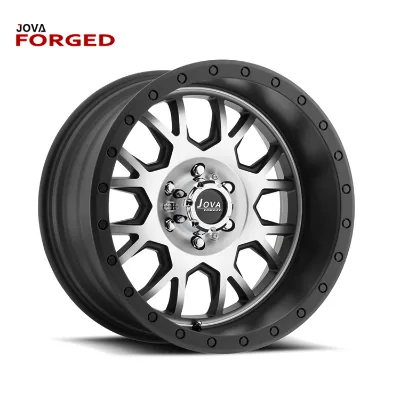
The spoke design also plays a significant role in the aesthetic and structural integrity of the wheel. The market offers both equal diameter spokes and spoke-type designs, with some units featuring center lock caps. The finishing processes observed include black coatings and brushed blue finishes, which may impact the long-term corrosion resistance and visual appeal. It is essential to treat these attributes as observations of available inventory rather than guaranteed standards for every supplier. Buyers should verify that the specific unit they intend to purchase matches the required spoke type, color, and finishing process to ensure it meets the intended application's aesthetic and functional needs.
Compliance and Certification Verification Protocols
In the global procurement of automotive components, particularly wheels, compliance with international safety and quality standards is non-negotiable. The supply chain for beadlock forged wheels presents a complex landscape of certifications that buyers must navigate. Observed data indicates the presence of several key certifications, including ISO, DOT, TUV, VIA, and CE. The coexistence of these certifications suggests that different suppliers or product lines may adhere to different regional or industry-specific standards. For instance, the DOT (Department of Transportation) certification is critical for vehicles operating in the United States, while TUV and CE are often required for European markets.
Buyers must not assume that a single product listing satisfies all certification requirements. The data shows instances where a product is listed with ISO and VIA, while another may carry ISO, DOT, TUV, VIA, and CE. This variation implies that certification status is product-specific or batch-specific. Therefore, the procurement strategy must include a rigorous verification step where the buyer requests current, valid certification documents for the specific model number and batch intended for purchase. Relying on general product descriptions without verifying the actual certificate for the specific SKU can lead to regulatory non-compliance, which may result in customs seizures or liability issues in the event of an accident.
Furthermore, the standardization of packaging and dimensions can sometimes serve as a proxy for manufacturing consistency. Observed standards include specific packaging dimensions such as 460mm x 460mm x 280mm and 42.5 x 42.5 x 24, as well as 45.5 x 45.5 x 28. While these are primarily logistical metrics, they reflect the precision of the manufacturing process. A supplier that maintains consistent packaging standards is likely to maintain consistent product tolerances. However, buyers should be cautious of using these dimensions as a primary quality indicator without corroborating them with actual product testing. The presence of a "Strict Quality Management System" as a stated advantage should be treated as a claim that requires validation through third-party audits or on-site inspections rather than accepted at face value.
Cost Drivers and Pricing Structure Analysis
The pricing structure for beadlock forged wheels is influenced by a multitude of factors, including material costs, manufacturing complexity, and certification requirements. The observed price range in the market spans from 1 to 3000 USD, a vast disparity that reflects the diversity of product types from basic steel rims to high-end forged aluminum wheels. This wide range indicates that price alone is not a reliable indicator of quality or suitability. A lower price point may correspond to a steel wheel with a simpler design, while a higher price point likely reflects the cost of forging aluminum, complex finishing processes like brushed blue coatings, and the inclusion of multiple international certifications.
Material composition is a primary cost driver. Aluminum wheels, particularly those made from A6061 aluminum, generally command a higher price due to the energy-intensive forging process and the raw material cost. Steel wheels, while often more affordable, may incur additional costs if they require specialized off-road treatments or specific locking mechanisms. The customization options available in the market, such as specific spoke types, colors, and finishing, also add to the final cost. Buyers should anticipate that custom orders will carry a premium over standard stock items.
The Minimum Order Quantity (MOQ) is another significant factor affecting the total cost of ownership. The observed MOQ range extends from 1 to 5000 units. For buyers with small volume requirements, the unit cost may be higher due to the lack of economies of scale, whereas large volume orders can significantly reduce the per-unit price. However, the high MOQ of 5000 units may present a barrier for smaller enterprises or those testing new product lines. Buyers must calculate the total landed cost, including shipping, tariffs, and potential inventory holding costs, to determine the true economic viability of a supplier. It is crucial to negotiate terms that align with the buyer's cash flow and storage capabilities, rather than simply chasing the lowest unit price.
Typical Applications and Performance Requirements
Beadlock forged wheels are predominantly designed for demanding applications where reliability and performance are paramount. The observed data highlights "Offroad Vehicles" and "Off-Road Use" as primary application categories. These wheels are engineered to withstand the extreme stresses of rough terrain, including impacts from rocks, deep ruts, and high-speed desert runs. The 4WD (Four-Wheel Drive) attribute is frequently associated with these products, indicating their suitability for vehicles that require enhanced traction and torque distribution. However, the market also includes FWD (Front-Wheel Drive) options, suggesting that beadlock technology is being adapted for a broader range of vehicle types, including performance street cars and light trucks.
The specific wheel models observed, such as the 15-inch, 16-inch, 17-inch, and 18-inch variants, cater to different vehicle classes. Smaller diameters like 15 inches are often preferred for heavy-duty off-roading due to the ability to run lower tire pressures without risking rim damage, while larger diameters like 17 to 20 inches are common for performance SUVs and luxury off-road vehicles. The "Wheel Hub Diameter" specifications ranging from less than 16 inches to 20 inches further confirm the versatility of these products across various vehicle platforms.
Buyers must also consider the specific requirements of the intended application. For instance, wheels intended for competitive racing may require the "Equal Diameter Spoke" design for optimal weight distribution and strength, whereas those for general off-road use might prioritize the "Steel Wheel Rim Type" for maximum durability. The "Wheel Accessories" such as wheel covers and center lock caps also play a role in the application, providing protection and aesthetic appeal. Understanding the specific demands of the end-user is essential to selecting the right product configuration, as a wheel optimized for street performance may not survive the rigors of extreme off-roading, and vice versa.
Supplier Evaluation and Quality Control Measures
Evaluating suppliers for beadlock forged wheels requires a multi-faceted approach that goes beyond surface-level product descriptions. The location of the supplier, with Ningbo, China, being a prominent origin point, suggests a concentration of manufacturing expertise in the region. However, the presence of multiple origin locations, including general "China" designations, indicates a fragmented supply chain. Buyers should prioritize suppliers who can provide transparent information about their manufacturing facilities and quality control processes. The claim of a "Strict Quality Management System" is a positive indicator, but it must be substantiated by evidence such as ISO audit reports or on-site verification.
Quality control should be integrated into the procurement process from the initial inquiry stage. Buyers should request detailed test results for critical parameters such as impact resistance, fatigue life, and radial load capacity. While specific test data is not provided in the general product listings, the presence of certifications like TUV and DOT implies that the products have undergone rigorous testing. Buyers should verify that these tests were conducted on the specific model and batch they intend to purchase. Additionally, the "High Quality" attribute observed in the data should be treated as a claim that requires validation through sample testing before full-scale production.
The packaging and shipping standards also serve as indicators of supplier reliability. The use of carton packing, pallets, and specific carton box dimensions suggests a commitment to protecting the product during transit. However, buyers should ensure that the packaging is robust enough to prevent damage, especially for high-value forged wheels. The "Advantage" of strict quality management should be complemented by a clear return policy and warranty terms that protect the buyer in case of defects. A supplier that is confident in their product quality will typically offer comprehensive support and transparent communication regarding any potential issues.
Long-Term Procurement Considerations and Strategic Planning
Sourcing beadlock forged wheels is not merely a transactional activity but a strategic decision that impacts long-term operational efficiency and brand reputation. The variability in product models, such as the 318SR, Luyang, and various inch sizes, suggests that buyers need to establish a long-term relationship with suppliers who can provide consistent product availability and support. The ability to customize, as noted in the product attributes, is a significant advantage for buyers looking to differentiate their offerings. However, customization introduces complexity in terms of lead times and inventory management.
Buyers should consider the scalability of their supply chain. The wide range of MOQs, from 1 to 5000 units, allows for flexibility, but it also requires careful planning to avoid stockouts or overstocking. A strategic approach involves building a diversified supplier base to mitigate risks associated with supply chain disruptions. Additionally, the evolving nature of automotive standards and regulations means that buyers must stay informed about changes in certification requirements, such as new DOT or TUV standards, to ensure continued compliance.
Finally, the long-term cost of ownership extends beyond the initial purchase price. Factors such as maintenance, replacement frequency, and the availability of spare parts should be factored into the procurement strategy. A supplier that offers a comprehensive range of wheel accessories and maintenance solutions can add significant value to the buyer's operations. By focusing on quality, compliance, and strategic supplier relationships, buyers can ensure a sustainable and profitable procurement process for beadlock forged wheels.
FAQs
What certifications are available for beadlock forged wheels?
Available certifications include ISO, DOT, TUV, VIA, and CE depending on the specific product model. Buyers must verify that the exact batch intended for purchase holds the required regional compliance documents to avoid regulatory issues.
Which materials are used for beadlock forged wheels?
Products are primarily manufactured from aluminum, specifically A6061 grade, or steel for off-road durability. Aluminum offers a better strength-to-weight ratio while steel variants prioritize ruggedness for extreme terrain applications.
Can buyers customize the finish and spoke type?
Yes, customization is available for finishing processes like black or brushed blue and spoke types such as equal diameter spokes. Specific aesthetic and structural requirements must be confirmed with the supplier before placing a custom order.
What is the typical MOQ range for these wheels?
The minimum order quantity ranges from 1 to 5000 units depending on the supplier and product configuration. Smaller volume orders may incur higher per-unit costs compared to large bulk purchases that benefit from economies of scale.
Where are these wheels typically manufactured?
Major manufacturing origins include Ningbo, China, with some general listings also citing China as the origin point. Buyers should verify the specific factory location to ensure logistics compatibility and assess regional manufacturing capabilities.
What specifications define the wheel hub diameter?
Observed specifications cover hub diameters ranging from less than 16 inches up to 20 inches. Specific models like 16x8 or 15x8 indicate precise width and diameter combinations that must match the vehicle platform requirements.